
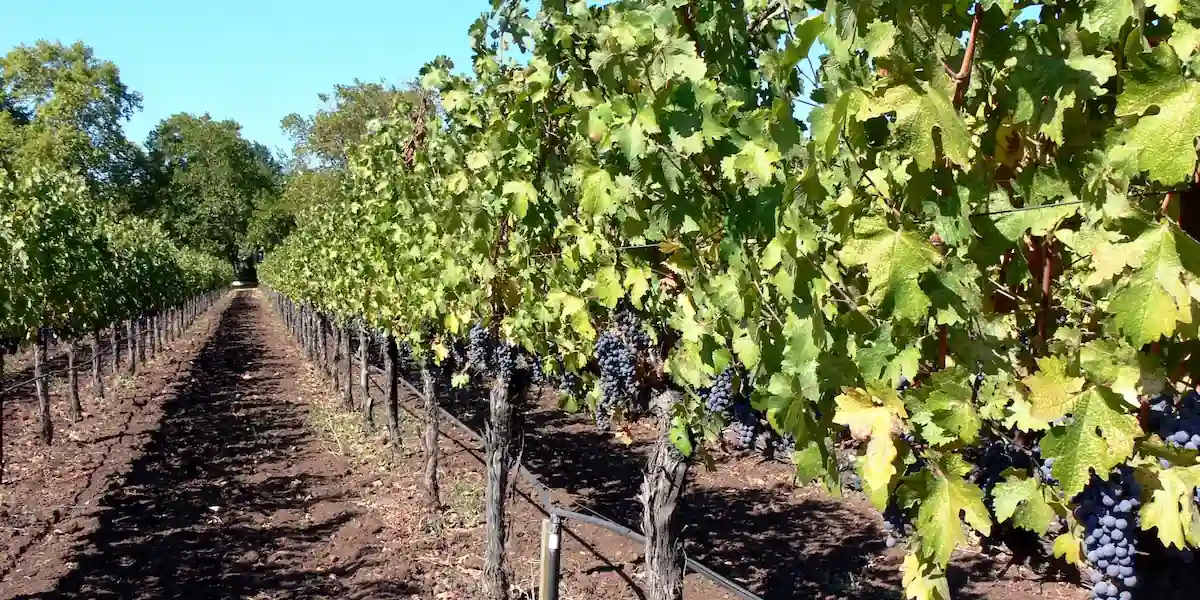
Schedule three wineries in one day as the default. I used to try four or five on a Napa Saturday. After 35 years of these trips—and after reading 198 published visit-duration listings in Plan Wine Tasting’s 2026 U.S. Winery Tasting Report1—three is still the clock I use. According to that report, the typical midpoint is 72 minutes. Three tastings therefore consume about 3½ hours before driving, check-in, lunch, and the walk from the parking lot. Two when a cave tour or pairing runs long. Four only inside one compact corridor. This page is the 2-vs-3-vs-4 clock. For the full trip process, use the wine tasting trip guides. For gaps between Tock times, see how much time to leave between reservations.
The 72-minute midpoint uses the first reported visit-time range—not later add-on tours or culinary programs, which run longer.
Why three tastings fill a day
Three published 72-minute visits are 216 minutes. Two 25-minute transfers are 50 minutes. A 75-minute lunch is the rest. The sum is 341 minutes, which is 5 hours 41 minutes, not seven. A clock that uses only those pieces: 10:30–11:42 first tasting, 25 minutes to the next stop, 12:07–1:19 second tasting, 1:19–2:34 lunch beside that second stop, 25 minutes to the last address, 2:59–4:11 third tasting. A 10:30 start finishes at 4:11 p.m. Seven hours shows up only after you add arrival, checkout, and a longer rural drive, and those extras are not inside the 72-minute listings. Use a fully sober designated driver or arranged transport, including on a two-stop day.
A map may show two wineries five miles apart. Rural roads, gates, parking, check-in, and seasonal traffic still stretch that transfer. In hilly regions or areas with limited through roads, five miles can take 20 minutes. Read the stated appointment duration. If one estate tasting is 90 minutes and another asks you to arrive 15 minutes early, build around those clocks. I book the longest experience first, then fill an open window with a nearby stop—not a fifth name across the valley.
Regional visit midpoints
| Region | Typical visit midpoint | What that means for a day |
|---|---|---|
| Napa Valley | 77 min | Two seated estates plus lunch is often enough |
| Sonoma County | 74 min | Three only if you stay in one zone (Healdsburg or Sonoma Valley, not both) |
| Paso Robles | 72 min | Do not bounce west side and Highway 46 East the same afternoon |
| Willamette Valley | 83 min | Plan two, maybe three in one AVA cluster |
| Walla Walla | 75 min | Treat it like Napa pacing, not a downtown bar crawl |
| Finger Lakes | 51 min | Four can work on one lake; not across Seneca and Keuka |
A Dundee Hills Pinot day with 83-minute visits is not the same clock as a Keuka Lake walk-in loop. The Finger Lakes shorter midpoint still fails if you hop lakes: the Finger Lakes AVA2 is one appellation on a map and several long shoreline drives in a car.
Lunch changes the stop count: book a real meal, or the afternoon reservation slips. What to eat is in what to eat before wine tasting.
A group of eight should plan two stops, not four. Headcount, deposits, and split reservations are in group reservation planning.
When two is the better plan
Choose two stops when at least one appointment is a cave tour, food pairing, vineyard walk, blending session, or private tasting. Those sit outside the 72-minute base flight. Two is also right for first-time visitors or long-distance drives between properties. Do not plan a tasting day, including a two-stop day, without a fully sober designated driver or hired car. The CDC3 says to plan a ride before you drink; a five-stop Saturday is not that plan. Rushing a long experience to add another tasting usually reduces its value.
When four can work
Four appointments fit only when wineries are a short drive apart, at least one stop is a brief bar tasting, lunch is already booked, and transportation is settled. A 10:00 a.m. appointment, a quick noon stop, lunch, a 2:00 p.m. tasting, and a 4:00 p.m. downtown flight can work if travel time stays low. Mix purposes: reservation-only estate, casual room before lunch, outdoor afternoon, finish near dinner so you skip an extra rural drive.
Four stops become unrealistic when you cross a large region. In Sonoma, Healdsburg, Sonoma Valley, and Russian River in one day consume the clock. In Paso Robles, east-side and west-side in the same afternoon is the classic mistake. In the Finger Lakes, lake-to-lake travel deserves more time than visitors expect. Do not add a fourth stop to “use” a pass. Compare that math on tasting discounts after the route is set.
Build duration before you book every tasting
Before you confirm, check the stated duration and whether a tour is bundled into that stop. The gap between those clocks is also read: how much time to leave between reservations. Trip-level steps are in the region guides.
If you are new to wine country, three tastings are enough to learn styles and settings. If you are collecting bottles, schedule fewer visits and leave time for focused conversation. If you are traveling with friends, prioritize places where the group can relax without watching the clock. Leave one open window. It may become lunch, a scenic pause, or the extra half-hour that turns a good visit into the one you remember.
Related articles
- How Long Does a Winery Tasting Take?
- Paso Robles Winery Itinerary: West Day and East Day
- Best Town to Stay in Napa Valley
- Wine Tasting Group Reservation Planning Tips
- All Plan Wine Tasting blog articles
This article is also published on Discover Wine Online.