
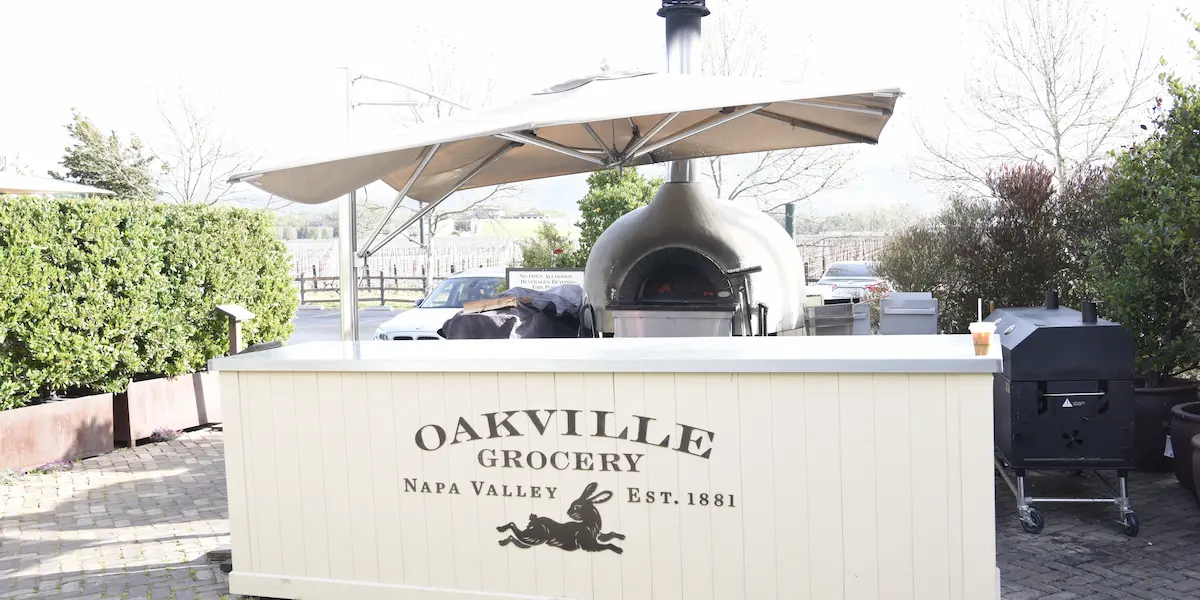
What to eat before wine tasting is a real breakfast or lunch: protein, slower carbs, and a little fat—not coffee and a croissant in the car. According to NIAAA1, alcohol is absorbed faster on an empty stomach, producing a higher blood alcohol level than drinking after a meal. Food can slow that absorption; it does not make drinking and driving safe. The CDC2 still says to plan a ride before you drink. According to our 2026 U.S. Winery Tasting Report3, 91% of 151 wineries with known food status offer food or pairings; that is often small bites, not lunch for your group.
The goal is a steady base, not a heavy meal that leaves you sleepy or dulls the wines. Then put water and a real food stop between appointments instead of hoping crackers at the bar will be enough.
Before the first appointment
Eat at the hotel or nearby, not “we’ll see at the winery.” Protein is more sustaining than pastry or fruit alone. Slower carbohydrates—oats, whole-grain bread, beans, brown rice, potatoes, quinoa—help when you will walk vineyard grounds or stand at a bar. Some fat helps; the biggest fried brunch does not, especially before two seated tastings and a warm car. Avocado, nuts, eggs, yogurt, olive oil, and cheese in reasonable portions beat a heavy cream-sauce plate.
If the first clock is before noon, breakfast is mandatory. If the day is afternoon-only, eat a normal lunch before you arrive, then pack a plain snack (nuts, bar, crackers)—not garlic chips 15 minutes from check-in. Do not assume the winery has food. Even a food-focused room may require a separate seated pairing reservation. If anyone has allergies or does not drink, say so when you book so the host is not improvising a cheese plate or a surprise pour.
Good defaults: eggs and whole-grain toast with fruit; Greek yogurt, oats, and berries; oatmeal with peanut butter and banana; a breakfast burrito with eggs, beans, and vegetables; a turkey, chicken, or hummus sandwich; a grain bowl with beans or chicken.
Put lunch on the itinerary
A cheese plate at stop two does not replace a midday meal. Book lunch after the morning tasting or eat before a 2:00 p.m. appointment. A late lunch at 3:00 p.m. may be too late if you began tasting at noon. Confirm whether the winery’s “food” is a reserved pairing (often 90+ minutes) or a few crackers.
Group trips need this said out loud: where lunch is, who carries water, who stays sober. Cluster stops so you are not facing a 45-minute drive with no food when appointments run long.
Pack a backup snack
Traffic, delayed check-ins, and kitchens that close between lunch and dinner happen. Keep shelf-stable snacks in the car: nuts, trail mix, protein bars, whole-grain crackers, dried fruit, peanut butter packets. These are backups, not lunch. Avoid strongly flavored snacks immediately before tasting: garlic-heavy foods, spicy chips, smoky jerky, and intensely sweet candy linger on the palate.
What works against you
Skipping food is the main failure. Very salty snacks leave you thirsty; spicy food can make tannic or high-acid wines feel harsher. Heavy fried plates are not forbidden, but a large portion before a warm afternoon of driving often feels worse than it tastes. Caffeine is not breakfast. Feeling alert is not the same as being prepared for alcohol.
Start water before you leave the hotel. Drink with breakfast and between pours. Dry air, sun, walking, and alcohol stack quickly in Napa, Sonoma, and Paso Robles. Water helps comfort; it does not reverse impairment. Ask for water at each room and use the dump bucket when you have had enough of a pour. If someone is lightheaded, nauseated, unusually tired, or impaired, stop tasting, get food and water, cancel the next slot, and keep them out of the driver’s seat. Staff would rather adjust a visit than watch a guest push through.
Match the meal to the format
A 45-minute bar flight needs a solid breakfast and maybe a snack in the car. A two-hour pairing with cheese, charcuterie, or courses needs a lighter plate so you are not stuffed. Do not assume pairings replace breakfast or lunch. Read the reservation, especially for dietary restrictions or a late start.
Details belong in the reservation email. For how those clocks fit together, see how many wineries in one day. The best pre-tasting meal is the one you can actually eat before the first appointment: filling, familiar, and close to the route.
When the basics are handled early—breakfast, lunch on the calendar, water in the car, a sober ride—you spend the day deciding which wines you love instead of managing a headache at 2:00 p.m.
Related articles
- How Long Does a Winery Tasting Take?
- How Much Time to Leave Between Winery Reservations
- Wine Tasting Group Reservation Planning Tips
- Do You Need Reservations for Wine Tastings? Walk-In vs. Reserved
- All Plan Wine Tasting blog articles
This article is also published on Discover Wine Online.