

MR.SIGA Long Handle Bottle Brush, Flexible Scrub Brush for Water Bottles, Glasswares, Mugs, Black, 2 Pack
Most PopularHigh review volume and broad appeal; compare price and capacity before you buy.
13.99 4.6 (11,708)
View on Amazon

Selected picks and buying guides
🍷 Great wine deserves clean glassware.
Residue, water spots, and improper drying can affect both taste and presentation.
Standard dish brushes are often too stiff, too short, or too bulky for long-necked glassware. That is where wine-specific tools become more than a nice-to-have.
Using the right brush shape lowers breakage risk and helps remove residue in hard-to-reach curves that ordinary kitchen tools often miss.
Air-drying sounds simple, but shape matters. A drying stand or proper stemware brush reduces twisting, gripping, and countertop contact that often leads to chips.
A quick final polish with a lint-free cloth after drying can also improve presentation for tastings and reduce mineral spotting on thin glass.
We group products by what wine-country travelers and hosts typically need—travel protection, openers, tasting glassware, picnic gear, and cellar tools—then highlight examples you can compare side by side.
“Best Pick” means the strongest default for most readers in that category: solid Amazon ratings, sensible price for the job, and a clear fit for weekend tasting trips or flying home with one to two bottles. We name trade-offs (weight, capacity, durability) so you can choose up or down.
Prices, shipping, and inventory change often. We note when prices were last checked; always confirm the live price and return policy on the retailer site before buying.
Disclosure: We may earn commissions from qualifying purchases, including as an Amazon Associate. Prices shown are checked periodically and may change on the retailer site.
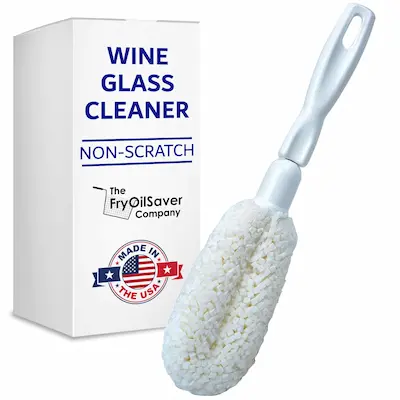
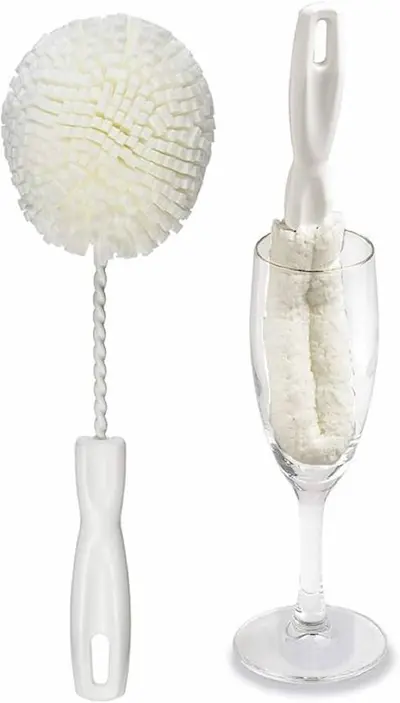

The easiest way to protect wine glasses and decanters is to clean them before residue has time to dry. Red wine, sediment, and mineral spots become harder to remove the longer they sit, especially in narrow decanters or tall stems. After a tasting, rinse each glass with warm water first, then decide whether it needs a dedicated brush or only a gentle hand wash.
For everyday stemware, avoid treating wine glasses like standard kitchen tumblers. The bowl, rim, and stem are more fragile, and twisting a glass while drying it can create stress at the weakest point. A soft stemware brush, microfiber drying cloth, and stable drying rack can reduce the need to grip the glass tightly. That matters most when washing several glasses after a dinner, tasting night, or holiday gathering.
Decanters need a slightly different approach because the narrow neck and wide base make them difficult to reach. Long-reach brushes, flexible cleaning tools, or decanter beads can help remove residue without forcing a stiff brush into the glass. The goal is to clean the interior while avoiding scratches that make future stains and water spots more visible.
Drying is just as important as washing. A decanter or glass left upside down on a flat towel can trap moisture, create cloudy spots, or rest on a delicate rim. A proper drying stand lets air circulate and keeps the glass from sitting directly on its most fragile edge. For anyone who owns better glassware, cleaning tools are less about convenience and more about extending the life of pieces they already paid for.
Use a soft long-handle brush with warm water and light pressure. Avoid abrasive scrubbers and give the decanter full support around the base while cleaning.
Usually yes. Narrow flutes and wider goblets are easier to clean with shape-specific brushes that reach corners without stressing delicate stems.
Rinse thoroughly, allow airflow, and finish with a lint-free polishing cloth. Drying stands help reduce rim contact and lower breakage risk.
They can, especially for thinner stems and crowded loads. Hand washing is often safer for premium glassware and helps reduce chips over time.
A quick rinse after each use is best, with deeper cleaning whenever residue or odor remains. Regular maintenance prevents buildup that is harder to remove later.
Rinse glasses well, let them drain on a proper drying rack, and finish with a clean microfiber cloth if needed. Avoid drying delicate glasses by twisting the bowl and stem in opposite directions.
They can be helpful for wide-bottom decanters where brushes do not reach every area. Use them gently with warm water, then rinse thoroughly so no residue or small particles remain inside the glass.