
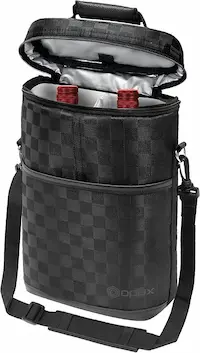
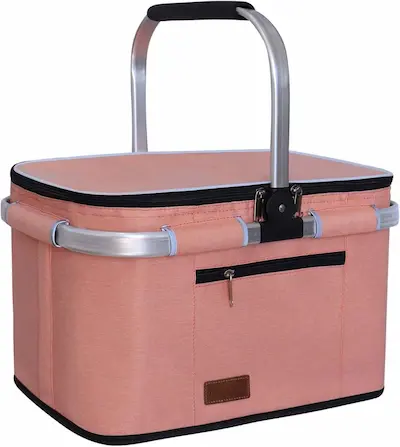
opux 2 Bottle Wine Carrier Tote, Insulated Leakproof Wine Cooler Bag
Most PopularHigh review volume and broad appeal; compare price and capacity before you buy.
$20.99 4.6 (3,511)
View on Amazon

Selected picks and buying guides
🍷 Planning a full day of tastings?
The right gear turns a good wine trip into a great one.
Insulated carriers work well when you are driving between wineries, bringing lunch, or picking up a chilled bottle mid-route. They are one of the simplest upgrades for warmer-weather wine travel.
They are especially useful on days with long scenic stops, where temperature control between visits can preserve both food quality and bottle condition.
If you tend to turn tastings into scenic lunches, a picnic backpack or basket earns its place quickly. It keeps glasses, utensils, and food separate enough that the day feels deliberate rather than improvised.
Dedicated compartments also speed transitions between stops, which helps you keep reservation timing without unpacking and repacking at every winery.
We group products by what wine-country travelers and hosts typically need—travel protection, openers, tasting glassware, picnic gear, and cellar tools—then highlight examples you can compare side by side.
“Best Pick” means the strongest default for most readers in that category: solid Amazon ratings, sensible price for the job, and a clear fit for weekend tasting trips or flying home with one to two bottles. We name trade-offs (weight, capacity, durability) so you can choose up or down.
Prices, shipping, and inventory change often. We note when prices were last checked; always confirm the live price and return policy on the retailer site before buying.
Disclosure: We may earn commissions from qualifying purchases, including as an Amazon Associate. Prices shown are checked periodically and may change on the retailer site.
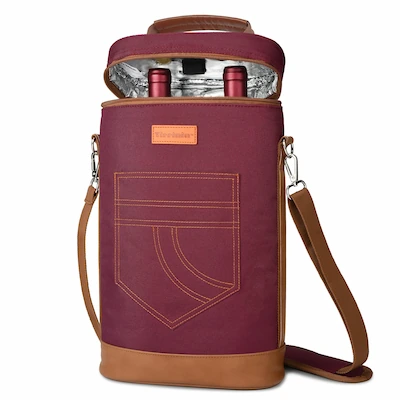
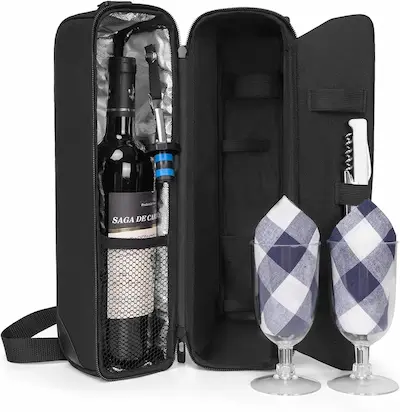
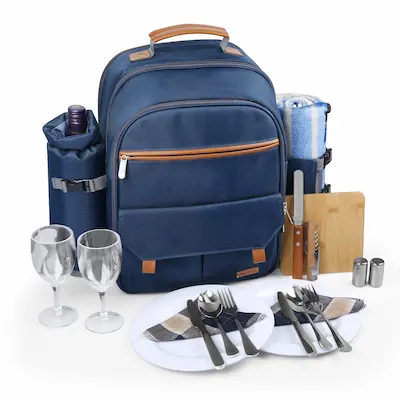
A full winery day is easier when the bag is planned around the route. Start with the basics: water, snacks, a phone charger, reservation details, sunscreen, and a safe place for anything you buy. These items are not exciting, but they prevent the most common tasting-day problems: dehydration, missed appointments, dead phones, and bottles rolling around in the car.
An insulated tote is useful because wine trips rarely happen in perfect conditions. A bottle may sit in the car during lunch, a chilled white may need to stay cool between stops, or picnic food may need protection on a warm afternoon. Even if you are not transporting expensive bottles, insulation gives you more flexibility during the day.
Picnic bags and backpacks make sense when the trip includes scenic stops, outdoor tastings, or a casual lunch between wineries. Look for separate storage areas for food, utensils, napkins, glasses, and bottles. Keeping those items organized makes the day feel planned instead of improvised. For couples, a compact tote may be enough. For groups, a larger picnic backpack or cooler-style carrier can reduce the number of loose bags in the car.
Do not overpack. The best wine tour essentials are the things that solve real route-day problems without making the bag heavy. A good setup should help you stay comfortable, protect purchases, keep food and water available, and make it easier to move from one appointment to the next.
A strong baseline is water, snacks, sunscreen, layers, an opener, and an insulated carrier for bottles or picnic items. This setup keeps long tasting days more comfortable.
Yes. Insulated bags help stabilize bottle and food temperature between stops, especially in warm climates where parked-car heat can quickly affect quality.
Backpacks are better for walking and hands-free movement, while totes are simpler for short car-based routes. The best choice depends on how much walking your day includes.
For two people, compact carriers that hold one to two bottles plus light snacks are usually enough. Larger groups benefit from bigger multi-compartment picnic kits.
Pack by zone: drinks, food, serving tools, and cleanup. Dedicated pockets or pouches make fast stops easier and reduce forgotten essentials.
Bring a padded or insulated bottle carrier, room in the vehicle, and a plan to keep bottles out of direct sun. If you are flying home, bring bottle sleeves or confirm whether the winery can ship.
A picnic bag is useful if your route includes outdoor tastings, scenic stops, or lunch between wineries. It keeps food, water, napkins, utensils, and small accessories organized in one place.